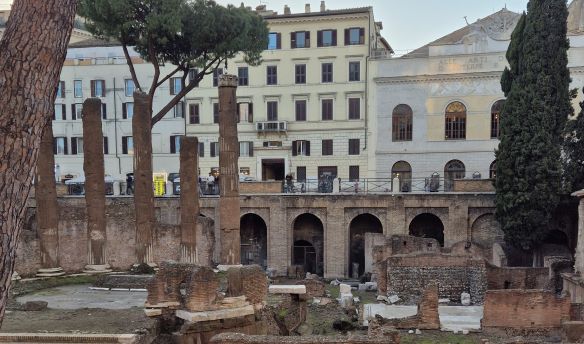

Rome’s opera house is the site of memorials to two tenors: Beniamino Gigli and Nicola Ugo Stame.
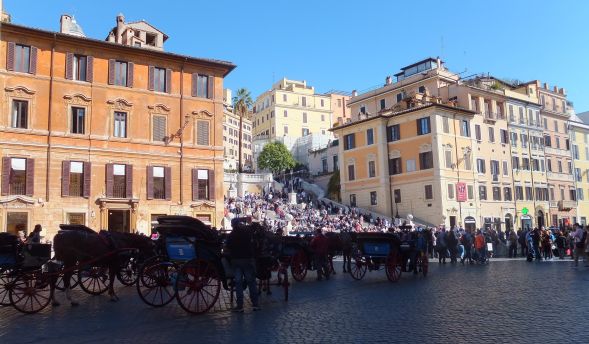
In front of the opera house is an airy piazza. It was called Piazza Dell’ Opera until the late 1950s, when it was renamed Piazza Beniamino Gigli.

Beniamino Gigli
Early years
Beniamino Gigli was born in 1890 in the Marche region that borders the Adriatic coast, the youngest of six children. His father was a shoemaker and also a sacristan at the cathedral. It was there that Beniamino sang as a talented boy soprano. He won a scholarship in 1911 to the Academy of Santa Sicilia in Rome, where he studied for three years.
In 1914 he won a famous international singing competition in Parma. The prize should have been an engagement at the Chicago Opera but the great war prevented him from making the journey. He performed instead in Italy and made his first overseas trip to Spain in 1917.
In 1919 he had his first tour of South America and at the end of the year travelled to the USA where he performed at the Metropolitan Opera in New York. His professional association with the Met lasted for the next twelve years.
After the death of Enrico Caruso in 1921, Gigli was regarded by many as Italy’s leading tenor. Sometimes called “Caruso Secondo”, he preferred “Gigli Primo”!
Roles for which he became famous included Rudolfo in Puccini’s La Bohème and Andrea Chenier in Giordano’s opera of that name. He had a lyric tenor voice, lighter than Caruso’s, but he performed dramatic roles to acclaim.
He travelled extensively but became a resident of Rome for many years.
World War II and Gigli
Gigli was fully accepted by the fascist regime in Italy and, when Italy entered the war, the fifty year old continued to perform. The war curtailed his overseas performances but he sang to acclaim in Italy.
By the end of the war, he was saddled with a reputation as Mussolini’s preferred tenor and a favourite of the German high command. His popularity suffered, particularly at home, but he returned to the stage and concert halls elsewhere. He sang at Covent Garden in London in 1946 and embarked on extensive tours, including South America, South Africa, the USA and Canada.
The tours probably exhausted him and he died, in Rome, in 1957.
Nicola Ugo Stame
Early years
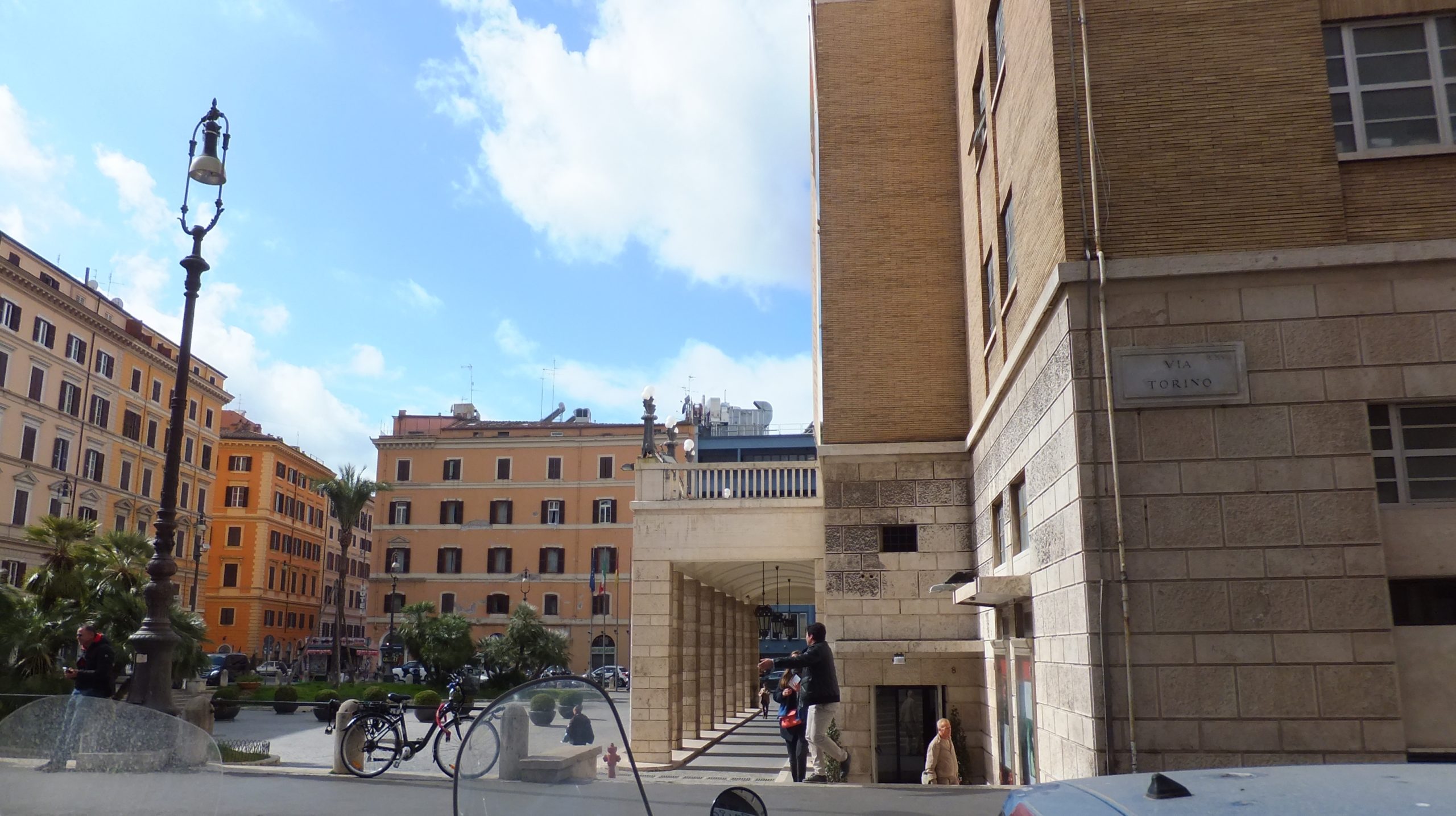
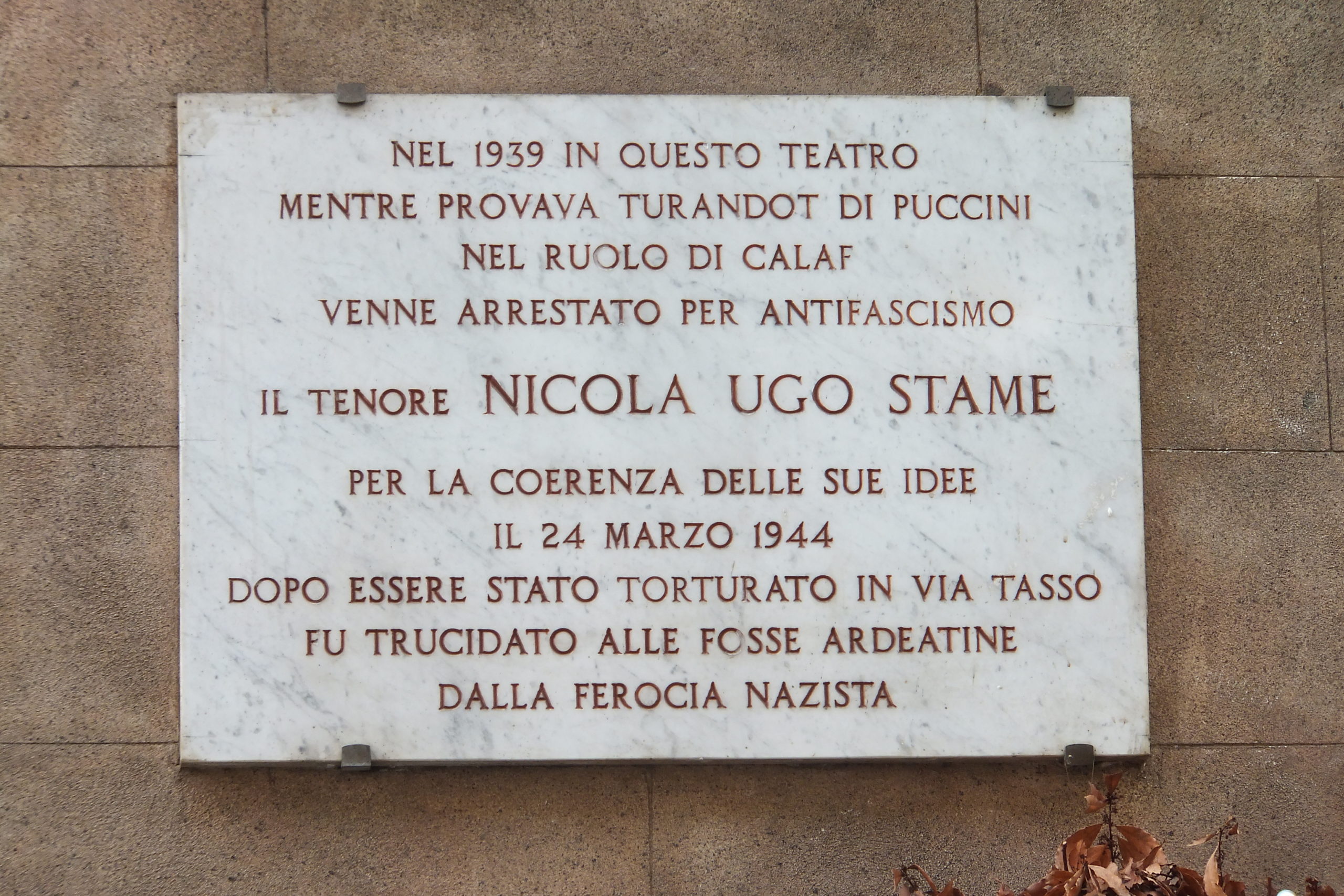
On the wall of the opera house in Via Torino is a plaque honouring Nicola Ugo Stame. He was born in Foggia in southern Italy on 8 January 1908. The family was poor and his mother brought him up alone but, in the 1930s, his talent took him to Rome where he studied and sang at the opera house.
Arrest and surveillance in the 1930s
Nicola Stame refused to join the fascist party, although he knew that the penalty would be exile or imprisonment. In 1939, he was arrested at the opera house, whilst rehearsing the role of Calaf (the character who sings “Nessun Dorma”) in Puccini’s Turandot. He was imprisoned for several months for anti-fascist activity.
On his release, Stame resumed his singing career, although not at the opera house. His performances included the role of Cavaradossi in Puccini’s Tosca, at the Circo Massimo on 7 November 1939.
World War II and Stame
Stame had been recalled to the Italian Air Force and was in Rome when the German forces attacked in September 1943. He donned his uniform and went to the barracks, where he and his comrades commandeered a military vehicle full of weapons. They delivered them to the Italian fighters at Porta San Paolo, who were opposing the German invaders.
Stame and his comrades joined the fighting and Stame suffered a minor wound but, once German victory was evident, Stame escaped and joined the “Bandiera Rossa” partisans outside of Rome.
The Bandiera Rossa
Stame commanded Zone I in the south of Rome for the Bandiera Rossa. His unit had more than thirty men, and the commanders of each zone formed a citizens’ committee. During the first months of the German occupation, his role meant that he made several forays into Rome, sometimes managing to see his wife and children, who lived in Via dei Volsci.
In January 1944, an informer recognised Stame in Piazza Mignanelli (adjacent to Piazza Di Spagna) and betrayed him to the Germans.
They arrested him and imprisoned him initially in Via Tasso, the Gestapo headquarters in Rome.
There, he briefly shared a cell with a teenager called Claudio Pica. Pica was soon released and, after the war, became one of Italy’s most popular singers, under the name Claudio Villa. Sometimes known to his fans as “Reuccio”, he won the Sanremo song festival four times: in 1955, 1957, 1962 and 1967.
Trial and imprisonment
After a summary trial in February 1944, Stame was convicted of partisan membership and imprisoned in the third wing of Regina Coeli prison. This was the wing controlled by the Germans and it housed partisans, resistance members and anti-fascist political prisoners. The conditions were grim and food scarce but Stame had not been sentenced to death and might have hoped to survive the German occupation. He was popular with the other prisoners and tried to keep up their spirits by singing, often arias from Tosca.
The conflict in Rome between occupiers and resistance reached its height on 23 March 1944. One of the resistance groups hid a bomb in a dustcart in Via Rasella, waiting for the daily march past of the 2nd Battalion of the Bozen regiment. The bomb exploded, killing more than thirty German soldiers.
The German command sought revenge, ordering ten Italians to be killed for each German death. On 24 March 1944, Stame was one of more than three hundred Italians taken to the Ardeatine Caves, on the outskirts of Rome, and executed.
Nicola Stame’s family received a telegram from the SS, typed in German, notifying them of his death.
After the war, a small number of his personal effects were retrieved from the Ardeatine Caves. They included the tuning fork that he always carried with him.
Il Tenore Partigiano by Lello Saracino tells the story of Nicola Ugo Stame and his family.